When to Replace Your HVAC System: A 2026 Homeowner Guide
Shannon Liccion
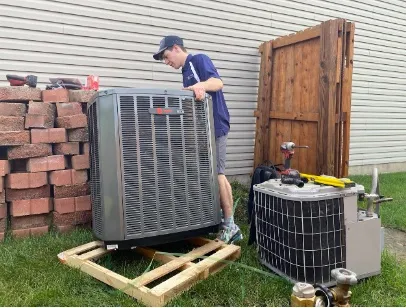
Replacing an HVAC system is a major decision for any homeowner, and knowing exactly when the time is right can save you money, improve your comfort, and boost your home’s efficiency. This 2026 guide breaks down the key signs, costs, timelines, and benefits of HVAC replacement so you can make an informed choice with confidence.
Cross Country Mechanical regularly helps homeowners evaluate aging or failing systems, and one of the most common questions we hear is: “Should I repair or replace?” Below, you’ll find a clear, homeowner-friendly explanation of when replacement makes sense—and how to navigate the process.
The Quick Summary
If your HVAC system is 12–15 years old, struggling to keep up, frequently breaking down, or causing high energy bills, replacement may be more cost‑effective than continued repairs. New systems in 2026 offer significantly better energy efficiency, quieter operation, and improved indoor air quality. Most replacements take 1–2 days, and choosing a trusted installer like Cross Country Mechanical ensures proper sizing, installation, and long-term reliability.
Why HVAC Replacement Is a Growing Trend in 2026
Extreme temperatures, aging equipment, and new efficiency standards have made HVAC replacement more common this year. Many units installed in the early 2010s are hitting the end of their lifespan, and homeowners are choosing replacement to avoid frequent repairs and reduce skyrocketing energy costs.
Additionally, new SEER2 efficiency regulations mean that today’s systems offer better performance with lower energy consumption. Upgrading is now both a comfort choice and a financial one.
1. Your System Is 12–15+ Years Old
Most HVAC systems last between 12 and 15 years with proper maintenance. After this point, parts begin to wear out, efficiency declines, and repair costs increase.
If your system is approaching or has passed this age range, it's smart to start planning for replacement—even if it's still running—so you're not caught off guard by a sudden failure during extreme heat or cold.
2. Frequent Repairs Are Adding Up
Needing one or two repairs over several years is normal. But when you're scheduling service calls every season, it's a red flag. Many homeowners find themselves spending hundreds—sometimes thousands—on repeated fixes.
A good rule of thumb: If a repair costs more than 40–50% of the price of a new system, replacement is usually the better investment.
3. Rising Energy Bills Despite Routine Maintenance
Older HVAC units naturally lose efficiency over time. If you're noticing higher utility bills even though you’re maintaining the system, it may be working harder than it should to heat or cool your home.
Today’s high-efficiency systems can reduce energy consumption by 20–40%, which often offsets a portion of the installation cost over the first few years.
4. Inconsistent Temperatures Throughout Your Home
Are some rooms hot while others remain cold? Inconsistent temperatures usually mean the system is struggling or no longer powerful enough for your home’s needs. Problems like failing blowers, low refrigerant, or worn components can cause uneven airflow.
In some cases, replacement is the only way to restore whole-home comfort.
5. Loud Noises or Persistent Odors
An HVAC system should operate quietly. Grinding, banging, or rattling noises often indicate internal mechanical failure. Burning smells or musty odors can point to electrical issues, mold in the system, or deteriorating components.
If these issues continue after repairs, upgrading may be the safest option.
6. Your Home’s Air Quality Is Declining
Poor air circulation, dust buildup, humidity problems, and musty smells can all indicate an aging system. New HVAC technology integrates improved filtration, humidity control, and air purification features that significantly enhance indoor air quality.
7. You’re Planning to Sell or Renovate Your Home
A new HVAC system is a major selling point that can increase home value and appeal to buyers. If you’re renovating, it’s often easier to replace the system while other work is being done.
Choosing the Right HVAC System in 2026
Today’s market offers several types of high-efficiency systems. Cross Country Mechanical helps homeowners choose the best option based on budget, home size, and comfort needs.
- Central Air + Furnace Systems: Ideal for homes with existing ductwork.
- Heat Pumps: Extremely energy-efficient for both heating and cooling.
- Ductless Mini-Split Systems: Great for additions, renovations, or homes without ductwork.
- High-SEER2 Efficiency Systems: Designed to meet 2026 energy standards and reduce long-term utility costs.
The HVAC Replacement Process
Most replacements follow a predictable timeline:
- In‑Home Evaluation: A technician inspects your system and assesses your home’s needs.
- Sizing & Recommendations: Proper sizing is critical to comfort and efficiency.
- Removal of Old System: Safe, efficient removal of existing HVAC components.
- Installation of New System: Typically completed in one day for most homes.
- System Testing: Ensures airflow, refrigerant levels, and performance meet standards.
Cross Country Mechanical focuses on ensuring each installation is done correctly the first time, protecting your investment for years to come.
How Much Does HVAC Replacement Cost in 2026?
Costs vary based on system type, size, brand, and installation complexity. While prices differ by region, most homeowners can expect a range between $6,500 and $14,000 for a full replacement.
High-efficiency heat pumps and ductless systems may cost more initially but typically offer substantial long-term energy savings.
Benefits of Upgrading Your System
- Lower monthly energy bills
- Better temperature control
- Quieter operation
- Improved air quality
- More environmentally friendly
- Reduced repair and maintenance costs
FAQ
How long does an HVAC replacement take?
Most installations take between 6 and 10 hours. Larger homes or systems requiring ductwork modifications may take a bit longer.
Should I replace my HVAC before it fails?
Yes—planning ahead helps you avoid emergency pricing, rushed decisions, and discomfort during extreme weather.
What size HVAC system do I need?
A professional evaluation considers square footage, insulation, ductwork, and airflow to determine proper sizing. Oversized and undersized systems both lead to problems.
Can a new HVAC reduce my energy bill?
Absolutely. High‑efficiency systems can reduce energy consumption by up to 40%, depending on your home and climate.
Is financing available?
Many HVAC companies, including Cross Country Mechanical, offer financing options to help homeowners invest in efficient replacements without paying everything upfront.
If you're noticing signs that your system is reaching the end of its life, Cross Country Mechanical is here to help you evaluate your options and guide you through the replacement process smoothly and confidently.